Step, Breathe, Belong: Equine-Facilitated Wellness for Everyday Life
The first time I saw a client match her breath to an equine's heave and autumn, the entire field transformed. Birds still chattered, a tractor still clanked beyond the trees, yet the power between female and gelding grew silent and curious. She had shown up wired and watchful. 10 mins later her shoulders went down, and the equine's lip quavered in that soft means they have when tension releases. No significant strategies, no soaring talk. Simply tip, breathe, belong.
That is the day-to-day appeal of equine-facilitated health. It is not a wonder cure and it is not just for riders. It is a stable technique of showing up, discovering your very own signals, and welcoming a thousand-pound partner to show them back without judgment. Horses do not respect your task title or your story. They track heart price, position, purpose, the harmony or inequality in between what your body claims and what your words effort. In a world that educates us to overlook those cues, being with an equine can seem like ultimately getting a sincere mirror.
What equines educate the body before the mind captures up
People commonly ask what happens in a session and whether it is primarily regarding riding. Riding can be part of healing horsemanship, and for some goals it is very useful. But a substantial share of equine-assisted solutions takes place on the ground. We slow down, we walk side by side, we practice asking and listening with our whole bodies. The steed reads little changes, a softened elbow joint, a steadier exhale, and answers in kind. You learn the language of stress and release, of technique and retreat, of indeed and not yet.
From a somatic lens, steeds design regulated nerves in actual time. Prey animals endure via attunement. When the atmosphere quiets, they drift toward remainder and absorb. When excited, they do not stew in adrenaline for hours. They check, relocate, possibly surprise, and reset. Humans frequently skip the reset. Somatic healing with horses aids people find that downshift once more. Not via intellectual initiative, but through the really felt experience of co-regulation. I have actually seen customers get here with a jittery breath and entrust a grounded gait, not due to the fact that anybody informed them to loosen up, but since their bodies discovered just how in company with a calm, receptive partner.
A common misunderstanding is that you require equine experience to start. You do not. As a matter of fact, lack of habits can be a gift. The most effective sessions are not about doing it right. They have to do with seeing what takes place when you change one variable, a gentler hand on the lead, a longer time out, a clearer objective. The horse responses your inquiry honestly and quickly. That responses loop, especially in experiential learning with equines, turns vague ideas like limit setting or trust right into concrete activities. You really feel what jobs, after that you remember it.
Sorting the terms without getting tangled
The area consists of different but overlapping methods. If you are checking out choices, it assists to comprehend the general categories.
Therapeutic horsemanship usually involves skill-based riding or groundwork under the guidance of a certified teacher. Objectives can consist of balance, sychronisation, communication, and confidence. Lots of riders with specials needs flourish in these programs since equines provide a vibrant, receptive system that tests the body and engages the mind.
Equine-assisted activities can cover a wide range of non-clinical experiences, from grooming and bring about stable duties that encourage emphasis, teamwork, and duty. Think of these as structured, deliberate communications that build life skills.
Equine-assisted services is a broader umbrella term that includes the above and may additionally include psychological health and wellness or occupational therapy supplied by licensed clinicians. In clinical designs, a specialist companions with an equine professional to address treatment objectives such as psychological guideline, sensory assimilation, or social communication.
Equine-assisted mentoring and equine-facilitated mentoring focus on individual or specialist growth rather than diagnosis. Instructors utilize the horse-human connection to brighten patterns and help clients trying out brand-new methods. I lean on this version when working with managers who desire cleaner limits, moms and dads who really feel stuck in power battles, or teams that require to restore trust.
There are likewise specialized offerings for groups. Team building with equines can take a jaded group out of the meeting room and right into a paddock where ranking implies little and quality suggests every little thing. If a team presses, the equine may support. If they work with and take a breath, the horse typically adheres to. That lesson lands quicker than any type of slide deck.
Each program will have its own language and approach. Ask companies exactly how they define their approach, just how they make certain safety and security, and how they gauge progress. Great programs are transparent regarding what they do and what they do not do.
A day in the arena, not simply a brochure promise
On a regular weekday at our ranch, individuals show up in all flavors of human. A nine-year-old that fidgets nonstop, a grown-up with an effective job and a secret knot in the breast, a mommy and child navigating a brand-new autism medical diagnosis, a couple trying to reconnect after an arduous year. The equines do not get startled by our array. They review it and make space or request for clarity.
Take Maya, an university student that came for anxiety assistance with horses. She had attempted talk therapy and valued it, yet panic still blindsided her on jampacked buses and before examinations. In our initial session, she stood 6 feet from a Haflinger named Clover. We practiced a simple rhythm, in for 4 counts, out for six. Heart rate information is not required for this job, however sometimes it aids a customer who likes metrics. We utilized a wrist monitor to note her baseline. After 10 minutes of silent breath and matching her actions to Clover's, the numbers dipped. More notably, Maya felt the soft qualities. She learned to pile her ribs, unlock her knees, and let her stare expand. By session 5 she had a two-minute reset she can make use of on the bus. She still had distressed days, yet instead of obtaining swallowed she had a rope to grab.
Then there is Jackson, a twelve-year-old in an autism equine finding out program, intense and amusing, quickly bewildered by noise and adjustment. In the barn, routines and tactile jobs organize his focus. He brushes in lengthy strokes, counting gently. We exercise leading with very little cues. If Jackson rushes, the horse thinks twice, an all-natural rate limitation. If he waits, the horse shows passion, a social incentive. Over months, Jackson broadens his capacity to pause, to endure little shocks like a trembling tarpaulin, to ask for help with words instead of grabbing. His instructor informed me he started elevating his hand at institution as opposed to calling out. The barn did not take care of institution. It offered him rehearsals that really felt good in his body.
For ADHD equine learning assistance, I expect tasks that trade over-efforting for timing. Motorcyclists grasping for dear life can not locate a liquid uploading trot. Ground leaders who pull miss the sign. When a client senses that a lighter ask works much better, you can see their grin spread. It is not concerning attempting harder. It has to do with trying more clear, correct amount, appropriate moment. That lesson matters in homework time with a troubled brain, in meetings with spiraling conversations, in early mornings before coffee.
Why equines feel risk-free for sensory challenges
For many people with sensory processing distinctions, average settings are penalizing. Buzzing lights, crowded halls, uncertain noise. The barn is sensory rich, yet it often tends to be formed and honest. Hoofbeats on dirt. Natural leather in your hand. An equine snorts and drinks, then works out. Alternate treatment for sensory challenges is not an ideal phrase, since we are not taking care of a broken system. We are using an environment where a nervous system can practice regulation with clear feedback.
I have learned to watch the small indications. A client who can not endure a curry comb at the start may enjoy the soft flick of a completing brush after 10 mins of walking outside. A person who surprises at the unexpected whir of a fly spray container may accept it if they can be the one to push and release, after that step back. Control issues. Predictability matters. We do not flooding clients to prove a point. We titrate, find sides, return to comfort. Horses model that dance since their own senses are acute. When they begin to resolve about a person, it is not performative. It is physiology conference physiology.
Safety, authorization, and justness to the horse
Ethics are not a footnote. Steeds are sentient animals with preferences, backgrounds, and limits. Any kind of program worth your count on prioritizes the equine's wellness in addition to the human's. We track weight limits, timetable rest days, turn tasks to avoid fatigue, and say no when an equine reveals indications of stress. We also make space for the horse to claim yes. A sagging reduced lip, a sigh, a curious step forward, a soft blink, these are the thumbs-ups I look for.
In sessions, consent cuts both ways. If a client really feels pressured by a task, we back up. If an equine pins ears or braces repeatedly, we reassess. We pick steeds fit to the work, usually steady geldings or mares with a history of kind direct exposure. We retire equines who are not appreciating it. Security equipment is non-negotiable where threat is higher. Helmets when installed, sturdy shoes all over, clear paths, found out launches. I have seen a calm session come to be disorderly because a loosened canine ran in. Limits safeguard the quiet that makes this job sing.
The paradox of effort and ease
People expect challenge to feel like stress. Steeds instruct a different formula. When you are in agreement, initiative decreases. A client who had led managers for 20 years came for equine-facilitated coaching because his team had delayed. In the field, he tried to relocate an equine via a narrow chute with huge gestures and a powerful voice. The equine grown. We pared the ask to 3 elements. Instructions, clearness, timing. He took a breath, chose a factor, made a light demand with his body, and softened the instant the steed tried. The gelding went through the chute like it was the apparent following step. Back at the office, he stopped pressing with energy and began directing with accuracy. His group noticed within a week.
That ease can be disorienting. Individuals wonder if they have actually lost their side. They have not. They have actually traded noise for signal. The nerves finds out that calmness is not laziness. It is leverage.
What a first session usually looks like
Every provider has a rhythm. Right here is the basic shape clients can anticipate in a well-run program.
- Arrival and alignment to the room, consisting of a short safety briefing and a possibility to fulfill the horses from a comfortable distance.
- A simple grounding practice, usually breath or stance based, to get existing and inspect individual limits and goals for the hour.
- Initial communication, such as grooming or matched walking, with training on reading equine signals and recognizing consent from both sides.
- A concentrated activity lined up with the client's goals, for instance leading via challenges, freedom join-up in a tiny pen, or installed workouts if appropriate.
- Debrief and translation to life, determining what landed, what changed in the body, and how to rehearse the new pattern in the house or work.
Sessions run 60 to 90 mins in many settings. Frequency differs, regular for ability structure, monthly for expert coaching, seasonal for school-based groups. Wise programs pace strength to avoid overload for human beings and horses alike.
Bridging the barn and the cooking area table
If we quit at insight, we misunderstand. Equine-facilitated health works when it strings right into regular routines. After sessions, I ask customers to run small experiments. The moms and dad that locks horns with a teen practices the same limit we used with a mare who crowds, feet planted, voice calm, hand up, wait for area, then give thanks to the shot. The executive with a jam-packed calendar timetables three five-minute resets where they step outside, broaden their gaze, let shoulders drop, and name one clear intent before strolling back in. The college student that freezes under fluorescent lights practices the Clover breath on the bus.
Progress is not linear. Anticipate backslides after bad sleep, illness, or life spikes. The field provides you reps in a forgiving laboratory. Steeds forgive a whole lot if you ask with respect and tidy up your mistakes. That poise issues when you are changing behaviors that took years to build.
Measuring modification without minimizing it to a spreadsheet
Some customers like numbers. We can track self-ratings of tension, brief interest tasks pre and message, or use wearable gadgets to note heart price trends. These are photos, not verdicts. The richer data comes from life itself. Do you catch your breath before you snap? Does your youngster recover from a jolt faster than last month? Did your group conference end with a choice rather than circling around for an hour? The barn keys these shifts. You verify them where you live.
Clinically oriented programs might make use of standard devices to check end results. Coaching programs often tend to utilize goal-based monitoring and narrative reflection. Both have value. Watch out for companies that promise quick solutions. The body discovers at the rate of safety.
Costs, gain access to, and the truth of barns and budgets
Prices vary commonly by area and by design. Nonprofits providing equine-assisted tasks and restorative horsemanship might support charges via gives and contributions. Personal equine-assisted mentoring for execs may be valued like various other professional advancement solutions. Figure on a variety from neighborhood prices around 50 to 80 bucks per group session to exclusive sessions that can run 100 to 250 dollars or more. Some medical equine-assisted services are qualified for insurance coverage reimbursement when supplied by accredited therapists, though coverage is inconsistent. Ask in advance about sliding scales, scholarships, and group options.
Accessibility issues. Barns are not constantly established for flexibility gadgets, though lots of programs make thoughtful adjustments. Installed job can be sustained with https://lanetfak567.scriblorax.com/posts/saddle-up-for-self-discovery-restorative-horsemanship-for-grownups ramps and lifts. Groundwork can be done from a mobility device or seated setting if safety is ensured. Sensory-friendly organizing assists some clients, mornings or quieter days. Climate is an aspect. Have a prepare for warm, cold, and tornados, consisting of an interior arena or an alternate space.
When equine work is not the most effective match
If a customer has extreme animal allergies, a high-risk medical condition that contraindicates exercise, or an injury history particularly connected to steeds that flares into panic past titration, we think about other paths or companion closely with clinical providers. If a person yearns for adrenaline, a wild colt or a gallop far from feelings, we reduce them way down or reroute. The barn steals nobody's firm. We look for readiness, curiosity, the determination to attempt tiny points regularly. The equine does not need you to thrill them. They need you to be real.
Choosing a program you can trust
- Verify credentials that fit the solution, such as licensed healing riding instructors for installed lessons or accredited medical professionals for mental wellness treatment.
- Ask how horses are picked, educated, and retired, and just how the program reads and respects equine consent.
- Tour the center and see a session if possible, seeing security methods, cleanliness, and the tone of human-horse interactions.
- Clarify objectives and how progression will be assessed, with examples of session strategies tailored to your needs.
- Discuss logistics clearly, organizing, cancellation plan, weather strategies, and what to put on and bring.
Good service providers welcome questions. If you feel rejected or dazzled by lingo, depend on your intestine and maintain looking.
Team knowing with hoofprints
Corporate groups typically arrive cynical. Which is reasonable. They have done trust fund drops. They have made it through hotel ballrooms with stale muffins. In the arena, horses punctured resentment quick. A group that can not share space professionally will stagnate a herd quietly from point A to factor B. A leader who micromanages will get slow, sticky responses. When a group begins stopping briefly to plan, when they name duties and include dissent, the steeds circulation. I have actually enjoyed a bruised sales group reclaim its humor by the 2nd hour simply since the exercise needed them to be clear and kind, not heroic.
This is equine-assisted coaching applied to society. It works finest when the offsite is not a one-and-done. Follow-up phone calls, brief on-site refresher courses, and the integration of a few usual signs aid the barn lessons live past the day. A team that normalizes one breath before warmed subjects will certainly lose much less time and keep even more people in the room.
A couple of silent techniques to take home
Barn wisdom is sensible. You do not require a horse in your backyard to obtain it.
When you enter a brand-new space, pause at the limit. Soften your knees, let your exhale lengthen, and broaden your vision to consist of the edges of the room. Equines do this at the gate. It resets your system and assists you read the field.
When you request for something important, make the tiniest clear demand initially. Include just as needed. Pressure without launch makes steeds support. Individuals also. If you obtain a shot, even a small one, mark it and soften. You will certainly get more faster.
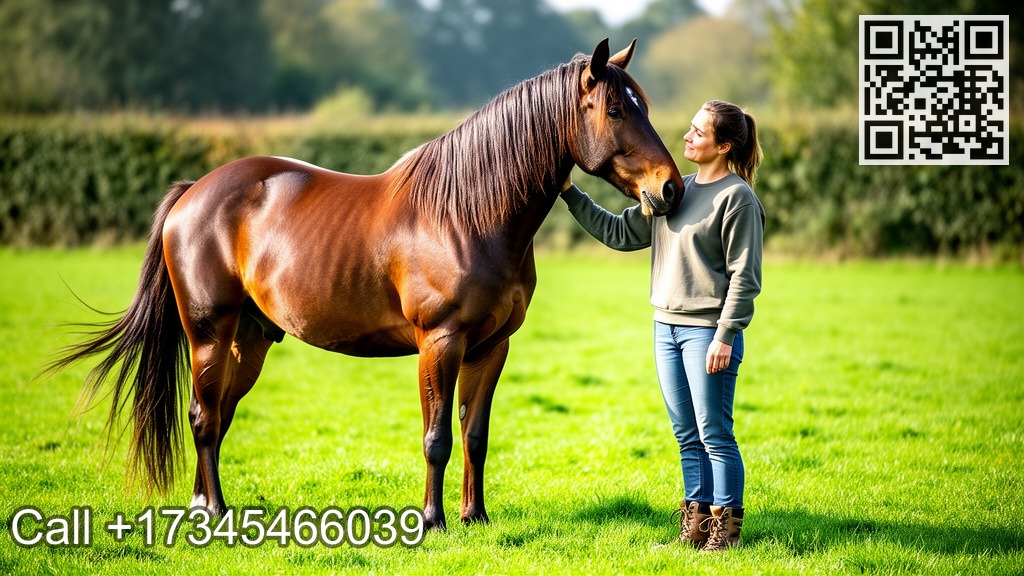
When you are flooded, move your feet. Walk a sluggish lap, roll your shoulders, match your breath to your actions. Equines discharge activation through activity. People can, carefully, do the same.
And when you are weary, remainder. Equines nap standing due to the fact that it is risk-free enough in the herd to do so. Construct tiny herds where you can, buddies or associates that hold the space while you shut your eyes for two mins and remember you have a body.
The heart of it
At its core, equine-facilitated health is about belonging. Not as a social tag, yet as a really felt feeling that your body is welcome in its transforming states. The equine does not require you to be tranquil to strategy. They ask you to be straightforward. If you come buzzing, they will discover and decide just how close they fit. If you arrive crying, they could stand close-by and blink with you. The conversation is not judgment. It is info. Over time, people find out to pay attention sooner and speak cleaner. They stop overcorrecting and start adjusting.
The barn ends up being a place where you exercise being a steadier version of on your own. Healing horsemanship develops equilibrium, coordination, and courage in the saddle. Equine-assisted solutions provide structured methods to expand psychological policy and social interaction. Equine-assisted tasks develop purpose and pattern where disorder reigned. Equine-assisted mentoring, for people and groups, transforms understanding right into activity. Various doors to the same house.
I have watched young adults on the brink laugh out loud as a horse follows them free across a field dusted with late light. I have actually strolled beside veterans who, after years of white-knuckled days, breathed out and let a steed's rate guide their own. I have actually seen a child who can not stand brushing for greater than ten secs end a session by standing cheek to carry with a dappled mare, both breathing slow and long. None of those minutes erase difficulty. They provide us a layout for relief.
Step. Breathe. Belong. Simple does not indicate very easy, and it rarely means fast. It indicates constant, truthful, and symbolized. Horses are generous instructors in this way. If you are curious, locate a program that treats both types with respect. Include strong shoes, a desire to find out, and approval to be specifically as you are. The arena will fulfill you there.
Happy Hooves Wellness
9177 Gross Rd, Dexter, MI 48130
+17345466039
https://www.hhooves.com/